
Módulos & Calculadoras[01]
Calculadora de IMC
Calculadora de TMB & GET
Calculadora de Macronutrientes
Calculadora de Hidratação
Discover why hepatic steatosis is a silent epidemic, the real dietary culprits behind liver fat, and the science-backed protocol to restore your liver health.
Editor e Criador do Metaboliza

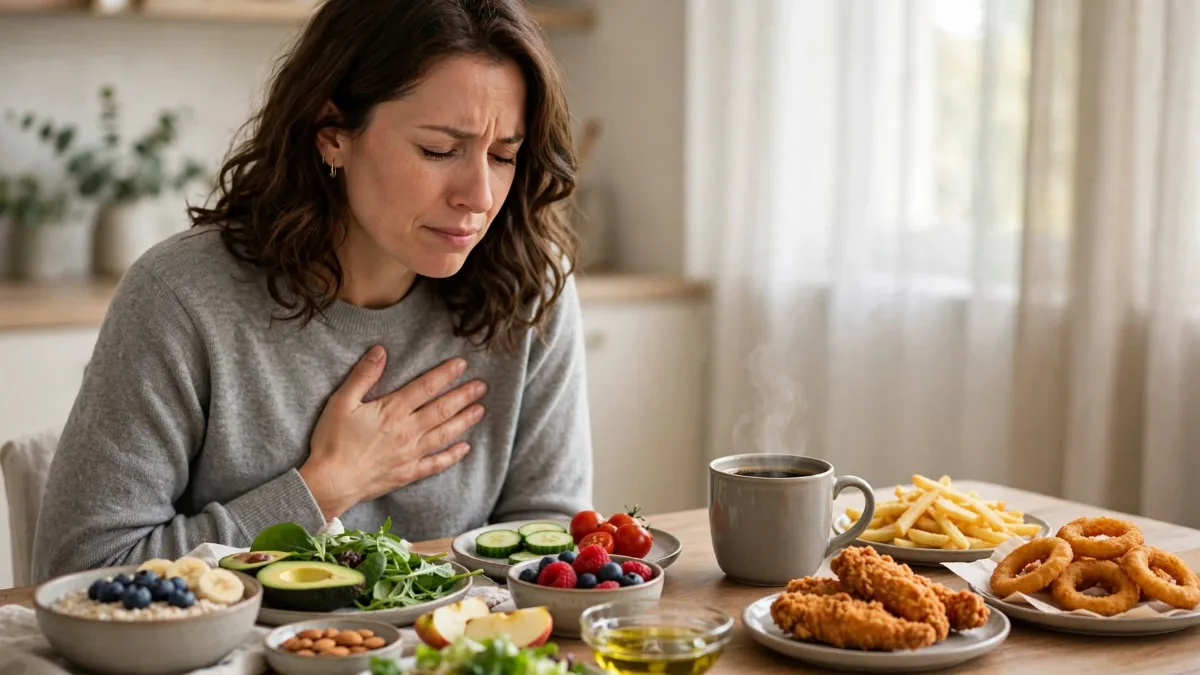
Anti-inflammatory liver-protecting foods including extra virgin olive oil, cruciferous vegetables, and black coffee
Hepatic steatosis, commonly referred to as fatty liver disease, has become the single most prevalent liver disorder worldwide, affecting approximately 30% of the global adult population. Recently, international medical societies updated its clinical nomenclature to MASLD (Metabolic dysfunction-associated steatotic liver disease), emphasizing its direct link to underlying metabolic health.
Under healthy conditions, human liver tissue contains only a tiny amount of fat, typically accounting for less than 5% of total organ weight. When the percentage of hepatocytes containing fat droplets exceeds this physiological threshold, steatosis is diagnosed across three clinical tiers: Grade 1 (mild), Grade 2 (moderate), and Grade 3 (severe).
The most dangerous characteristic of fatty liver disease is that it is entirely asymptomatic in its opening stages. The liver parenchyma has no sensory nerve fibers for pain; discomfort only occurs if the organ swells rapidly enough to stretch the surrounding Glisson's capsule. Consequently, the overwhelming majority of patients discover this issue serendipitously during routine abdominal ultrasound imaging or blood panels revealing elevated liver enzymes (AST, ALT, and GGT).
A widespread misconception is that fatty liver disease is caused by eating fatty meals. While industrial trans fats and processed deep-fried oils certainly impair cellular health, medical research demonstrates that the true primary driver of steatosis is hyperinsulinemia and insulin resistance coupled with rapid-digesting carbohydrates.
When we consume sugar-sweetened beverages, commercial fruit juices, confectionery, white bakery goods, and items rich in high-fructose corn syrup, the portal vein floods the liver with a sudden carbohydrate deluge. Incapable of utilizing this surplus energy immediately, hepatocytes activate an enzymatic assembly pathway termed de novo lipogenesis, systematically converting excess sugars directly into new triglyceride droplets within the liver itself.
Concurrently, sedentary habits and visceral abdominal fat expansion dump an unrelenting stream of free fatty acids straight into liver circulation. Crucially, individuals who appear lean on a standard bathroom scale can also develop metabolic steatosis if they suffer from muscle loss (sarcopenia), physical inactivity, and diets packed with liquid sugars and regular alcohol.
Recognizing the pathophysiological timeline is critical because the human liver possesses unmatched regenerative capacity when lifestyle triggers are removed in time:
• Simple Steatosis (Grades 1 and 2): fat has accumulated within liver cells, but there is no active ongoing cellular destruction or scarring. At this stage, the condition is 100% reversible through targeted dietary improvements and structured exercise.
• Steatohepatitis (MASH): under the burden of chronic lipid toxicity and oxidative stress, hepatocytes swell and undergo cell death. The immune system responds by triggering hepatic stellate cells to lay down collagen fibers, initiating the development of liver fibrosis.
• Cirrhosis and End-Stage Complications: if unaddressed over decades, progressive scarring replaces functional liver architecture with nodular fibrotic tissue, culminating in cirrhosis (liver failure) and markedly elevating lifetime risks for hepatocellular carcinoma (liver cancer) and cardiovascular events.
The most encouraging reality in contemporary hepatology is that while no magic pill exists, the condition can be reversed through lifestyle intervention. A landmark clinical trial published in Gastroenterology demonstrated that achieving a 7% to 10% reduction in total body weight is sufficient to clear intrahepatic fat, extinguish inflammation, and regress fibrosis in the vast majority of patients.
Leading international guidelines universally recommend the Mediterranean Diet as the clinical gold standard for hepatic rehabilitation:
• Emphasize unrefined anti-inflammatory fats: cold-pressed extra virgin olive oil, whole avocados, raw tree nuts (walnuts, almonds), and omega-3-rich cold-water fish (wild sardines, mackerel, salmon). These healthy fats actively downregulate hepatic triglyceride synthesis.
• Load up on cruciferous vegetables and bitter greens: broccoli, cauliflower, cabbage, arugula, and kale supply potent organosulfur phytochemicals (such as sulforaphane) that upregulate natural phase II detoxification enzymes.
• Harness unsweetened black coffee: robust meta-analyses published across hepatology literature confirm that drinking 2 to 3 cups of filtered black coffee daily significantly lowers the risk of liver fibrosis progression, driven by polyphenol compounds like chlorogenic acid.
• Strictly eliminate primary culprits: remove all sodas, concentrated sweetened juices, alcoholic beverages (even moderate drinking burdens an inflamed liver), refined white flours, and ultra-processed sweets.
Structured physical training is an indispensable catalyst for eliminating liver fat. Combining aerobic endurance exercise (brisk walking, cycling, light jogging) with progressive resistance training accelerates the clearance of liver fat even before dramatic shifts register on the bathroom scale.
This occurs because contracting skeletal muscle acts as a massive 'metabolic sponge': it extracts glucose directly from circulation via insulin-independent pathways, instantly easing the metabolic workload placed upon the liver.
To track your hepatic recovery, collaborate regularly with a gastroenterologist, hepatologist, or informed physician. Monitor annual blood chemistry including transaminases (AST, ALT, GGT), fasting glucose, HbA1c, and lipid panels. In moderate-to-advanced cases, modern non-invasive diagnostic technologies such as transient elastography (FibroScan) allow clinicians to quantify liver stiffness and fibrosis accurately without invasive tissue biopsies.

Aviso de Saúde
O conteúdo deste artigo é puramente informativo e educacional, baseado em pesquisas publicadas. Ele não substitui o aconselhamento, diagnóstico ou tratamento médico profissional. Consulte sempre um médico ou nutricionista antes de realizar mudanças na sua dieta, treino ou suplementação.
Criador do Metaboliza, focado em simplificar a ciência da nutrição, metabolismo e biohacking para uma vida de alta performance.
Participe da discussão com a comunidade do Metaboliza