
Módulos & Calculadoras[01]
Calculadora de IMC
Calculadora de TMB & GET
Calculadora de Macronutrientes
Calculadora de Hidratação
Discover why this simple cereal hides superpowers for your heart, gut, and daily energy.
Criador do Metaboliza & Autor
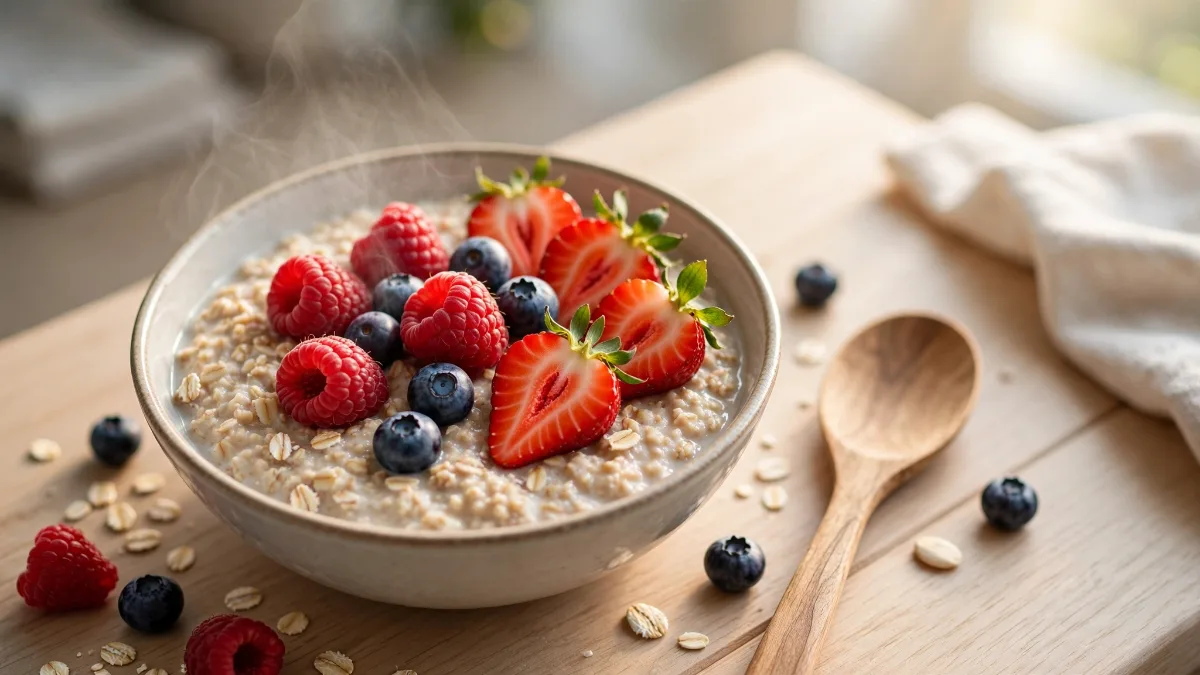
Bowl of fresh oatmeal with berries on a wooden table illuminated by morning light.
Who hasn't heard that classic grandmotherly advice telling you to eat a bowl of oatmeal to 'cleanse the body'? The truth is, behind the simplicity of this cereal that has inhabited households for generations, there is a true arsenal of nutrients. Modern science and clinical guidelines from renowned institutions, such as the Mayo Clinic, position oats as a top-tier functional food. It is worth noting that individuals with celiac disease or non-celiac gluten sensitivity should opt exclusively for certified 'gluten-free' oats due to the risk of cross-contamination during cultivation and processing.
The great secret behind the success of oats lies in its unique nutritional profile, which combines slow-absorption carbohydrates, good-quality plant proteins, B-complex vitamins, iron, magnesium, and, of course, a very special type of soluble fiber called beta-glucan.
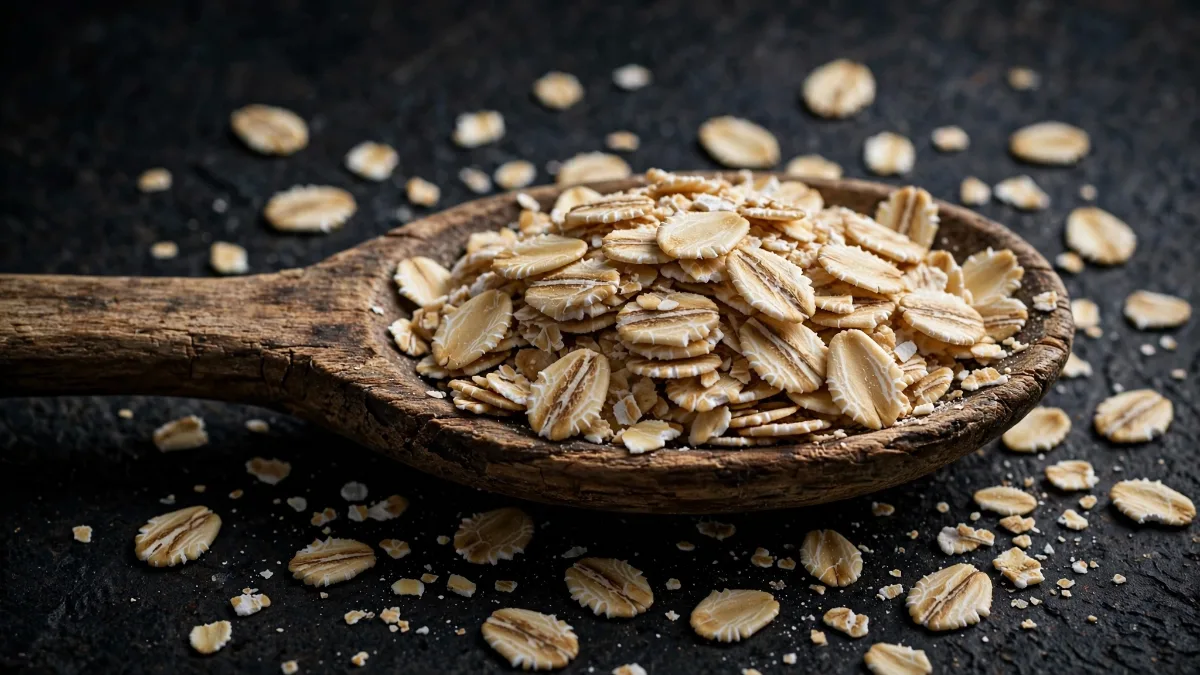
Rolled oat grains arranged on a wooden spoon against a dark background.
If you've ever wondered whether oats are good for your metabolism, the answer is a resounding yes. When we consume oats, the beta-glucan fiber goes to work in our gastrointestinal tract. Upon contact with digestive fluids, it forms a viscous gel. This gel acts as a natural 'handbrake' for digestion.
This viscous matrix delays gastric emptying, meaning the carbohydrates from the meal are absorbed much more slowly and gradually into the bloodstream. Data compiled from clinical analyses show that each gram of beta-glucan can reduce the glycemic response by up to 4.35%. This prevents those exaggerated spikes in insulin—the hormone that, when triggered in excess, gives the body the green light to store fat, especially in the abdominal region. Thus, oats support sustainable long-term weight management by increasing satiety and regulating glycemia.
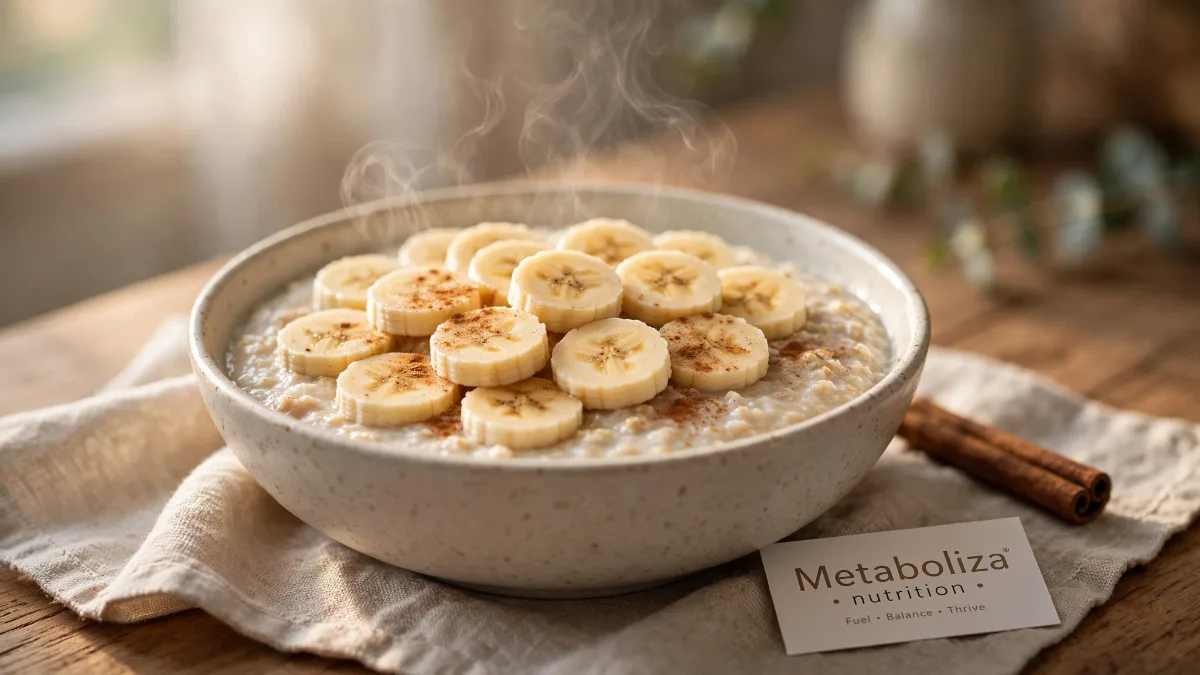
Creamy oatmeal prepared with cinnamon and banana slices.
According to robust meta-analyses, such as the famous study published in The American Journal of Clinical Nutrition (Whitehead et al., 2014), oats shine brightly when it comes to cardiovascular health. Regular ingestion of beta-glucan has the remarkable power to help oats lower total cholesterol and, most importantly, dreaded LDL cholesterol.
The mechanism is fascinating: the viscous gel formed in the intestine binds to bile acids, which are produced by the liver from cholesterol. The body is forced to use circulating cholesterol in the blood to manufacture new bile acids, driving down lipid levels completely naturally. Systematic reviews and meta-analyses point out that consuming about 3g to 3.5g daily of this fiber can generate average reductions of 5% to 10% in LDL cholesterol, significantly contributing to the cardiovascular profile.
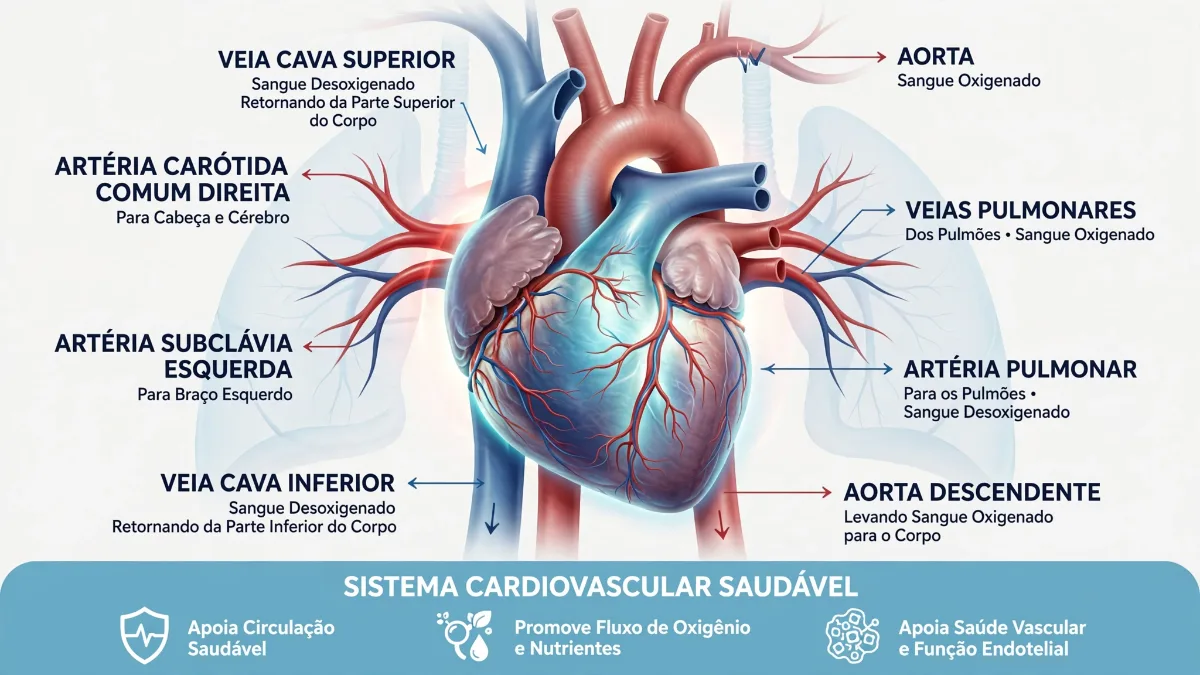
Conceptual illustration representing a healthy cardiovascular system.
Supermarket shelves are full of options, and many people get lost when choosing between fine or thick rolled oats, oat flour, or oat bran. The good news is that none of them are 'bad', but each serves a different metabolic strategy.
Oat bran is the outer layer of the grain and represents the true maximum concentration of beta-glucan and fiber. It is the favorite of those looking to optimize glycemic control and satiety. Meanwhile, rolled oats (fine or thick) keep the grain more intact, ensuring slightly slower digestion and excellent satiety. Oat flour is ideal for recipes and healthy baking, although it loses a bit of the original fibrous texture.
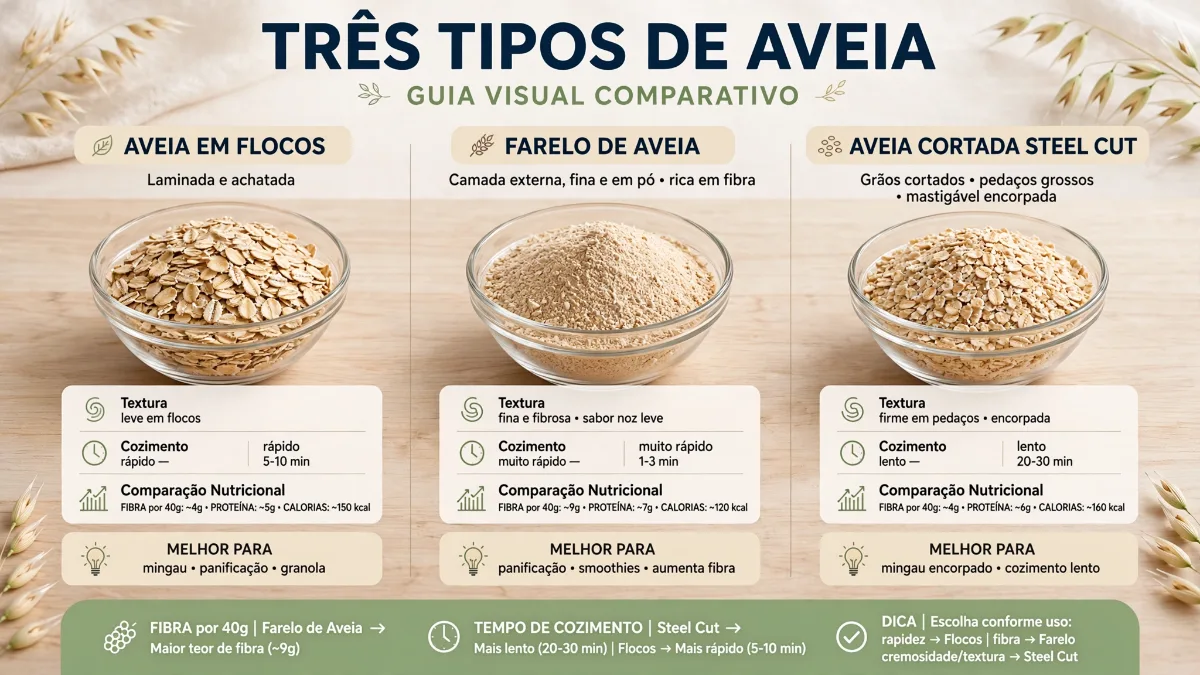
Visual comparison of three different types of oats in glass containers.
Including oats in your routine is simpler than it seems, but it requires a small strategic plan so it doesn't turn into a digestive torment. Because oats are an extremely fiber-rich food, starting with exaggerated doses can turn your stomach into a source of gas and bloating.
The golden rule is to start slowly: begin with one tablespoon a day and gradually increase over two weeks. What's more, fibers need water to work properly. If you eat a lot of oats and drink little water, the effect can be the opposite of what is desired, causing constipation rather than regulating the gut.

Person preparing a jar of overnight oats with fresh fruit in the kitchen.

💪 O 100% Pure Whey Zero Lactose da Probiótica oferece proteína de alta qualidade e é ideal para quem deseja complementar a alimentação sem consumir lactose.
Aviso de Saúde
O conteúdo deste artigo é puramente informativo e educacional, baseado em pesquisas publicadas. Ele não substitui o aconselhamento, diagnóstico ou tratamento médico profissional. Consulte sempre um médico ou nutricionista antes de realizar mudanças na sua dieta, treino ou suplementação.
Entusiasta de nutrição e biohacking, focado em simplificar a ciência da saúde.
Participe da discussão com a comunidade do Metaboliza