
Módulos & Calculadoras[01]
Calculadora de IMC
Calculadora de TMB & GET
Calculadora de Macronutrientes
Calculadora de Hidratação
Everything you need to know about this plant-based powerhouse: from muscle mass to metabolism, without taboos.
Editor e Criador do Metaboliza
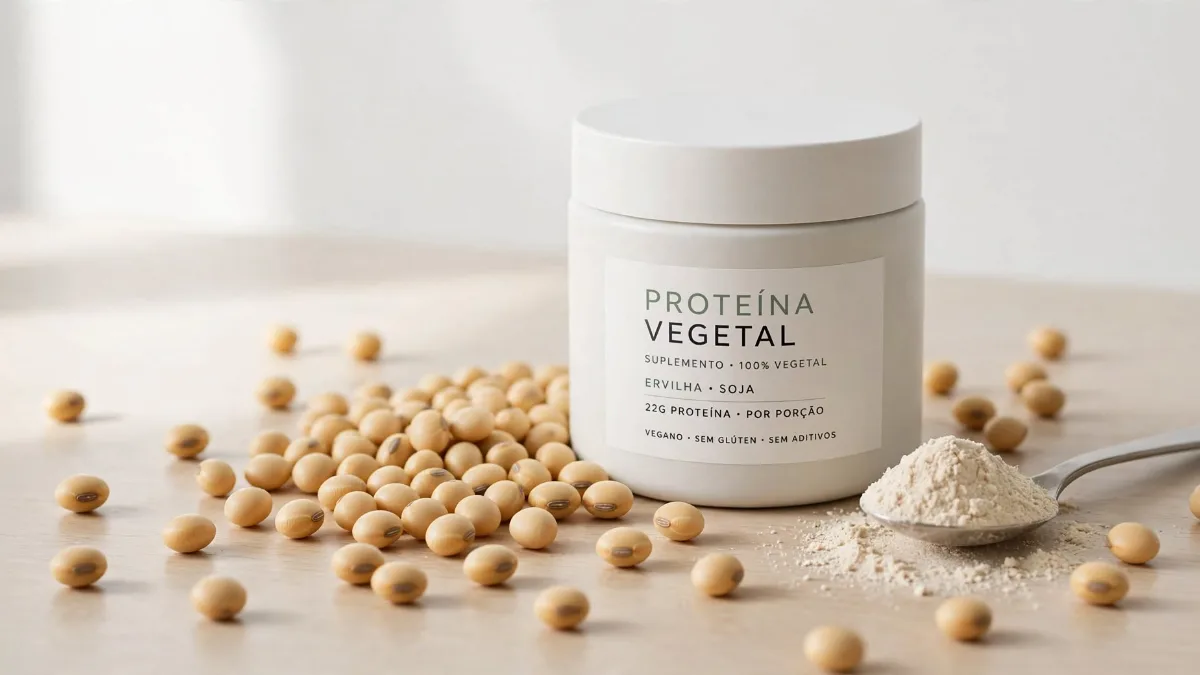
Soybeans and plant-based protein supplement in a modern, well-lit setting.
When we think of high-quality proteins, chicken, red meat, eggs, and good old whey protein immediately come to mind. However, the plant kingdom hides a true nutritional treasure that often goes unnoticed: soy protein. Unlike other plant sources that lack one or more essential amino acids, soy delivers the complete package.
To understand why it is so respected by science, it is worth looking at its amino acid profile. It provides all nine essential amino acids that our bodies cannot produce on their own. According to data compiled by the Harvard T.H. Chan School of Public Health, soy boasts impressive biological value and digestibility, scoring a 1.0 on the PDCAAS (Protein Digestibility Corrected Amino Acid Score) scale—the highest tier of protein quality, putting it right alongside egg white and milk protein.
Once consumed, this protein is broken down into peptides and amino acids in the gastrointestinal tract, being rapidly absorbed and directed toward vital functions such as tissue synthesis, muscle repair, and the production of enzymes and hormones. Whether in the form of whole beans, tofu, soy milk, or versatile soy protein powder, the body harnesses this structure to keep the metabolism firing on all cylinders.
Much like whey protein, soy goes through different industrial processes that yield distinct products on store shelves. Understanding these differences is the first step in choosing the option that best fits your goals and budget.
First, we have Textured Soy Protein (TSP), the famous 'soy meat' used in fillings, casseroles, and sauces. It is rich in fiber and offers excellent cost-effectiveness. Next is soy concentrate, which undergoes processing to retain most of the protein content while reducing carbohydrates.
Finally, we reach the star of supplements focused on physical performance: soy protein isolate. With a protein concentration ranging between 90% and 95%, the isolated version undergoes rigorous refining that virtually eliminates carbohydrates, fats, and the anti-nutritional factors present in the original bean. It is a fantastic alternative, gentle on digestion, and ideal for those looking to increase protein intake without extra calories.
Beyond being a great tool for hitting your daily macronutrient targets, soy delivers valuable metabolic bonuses that extend far beyond muscle. Regular and balanced consumption is associated with significant improvements in cardiovascular health and lipid profiles.
Meta-analyses and clinical trials reviewed by health agencies indicate that the daily inclusion of approximately 25 grams of soy protein in the diet can help reduce LDL cholesterol (the so-called 'bad cholesterol') by about 3% to 4%. While this may seem like a modest number at first glance, in the context of long-term vascular health, this effect makes a noticeable difference in preventing atheromatous plaques.
Another strong point is the presence of isoflavones, bioactive compounds that act as natural antioxidants. They help combat cellular oxidative stress and provide metabolic support, making soy a powerful ally in building a cardioprotective and balanced lifestyle.
One of the biggest questions for those who lift heavy is whether plant-based sources can compete with whey protein when it comes to hypertrophy. The short answer is: yes, soy protein powder is an excellent alternative for gaining muscle mass.
Comparative studies in the sports community show that when total daily protein intake is adequate, isolated soy protein promotes gains in lean mass and strength comparable to those of animal proteins. Although whey protein has a slightly higher concentration of leucine—the key amino acid that triggers muscle protein synthesis—this small differential can be easily compensated for by adjusting the total amount consumed or by using protein blend supplements.
Therefore, if you are vegan, lactose intolerant, or simply looking to diversify your post-workout protein sources, soy delivers admirably, helping repair muscle fibers damaged by exercise without falling short compared to dairy competitors.
We have reached the most controversial and myth-filled topic on the internet: does soy harm men? Popular fear suggests that consuming soy reduces testosterone or causes gynecomastia due to the presence of phytoestrogens (isoflavones). But what does science actually say about this?
The answer is categorical and reassuring. A robust meta-analysis published on PubMed ('Neither soy nor isoflavone intake affects male reproductive hormones') evaluated dozens of randomized clinical trials and concluded that neither soy protein nor isoflavone supplements alter male reproductive hormones. Soy phytoestrogens have a chemical structure similar to human estrogen, but they preferentially bind to beta receptors—which exert weak and specific tissue effects—without inducing any feminization process.
Therefore, the fear that soy lowers masculinity or causes hormonal issues is nothing more than a myth without solid scientific backing. Moderate and regular consumption is safe for both men and women across different life stages.
Another frequent question is whether soy falls into the camp of foods that help you lean out or if it promotes weight gain. The nutritional truth is that no single food has the magical power to make you gain or lose weight on its own; everything depends on daily caloric balance and your routine context.
However, soy protein is a powerful fat-loss tool when used correctly. Proteins, in general, have a high thermic effect and significantly increase the feeling of satiety. This means that consuming a meal rich in soy protein helps keep hunger at bay longer, reducing cravings and appetite spikes throughout the day.
Additionally, versions like soy isolate offer a high protein load with very few calories, fats, and carbohydrates. If your goal is weight loss while preserving lean mass, incorporating soy-based meals or shakes into your routine is a smart and highly nutritious strategy.
Aviso de Saúde
O conteúdo deste artigo é puramente informativo e educacional, baseado em pesquisas publicadas. Ele não substitui o aconselhamento, diagnóstico ou tratamento médico profissional. Consulte sempre um médico ou nutricionista antes de realizar mudanças na sua dieta, treino ou suplementação.
Criador do Metaboliza, focado em simplificar a ciência da nutrição, metabolismo e biohacking para uma vida de alta performance.
Participe da discussão com a comunidade do Metaboliza