
Módulos & Calculadoras[01]
Calculadora de IMC
Calculadora de TMB & GET
Calculadora de Macronutrientes
Calculadora de Hidratação
Discover the nutrient-dense foods packing up to thirty times more ascorbic acid than oranges, how vitamin C boosts collagen and iron absorption, and your true daily requirements.
Editor e Criador do Metaboliza
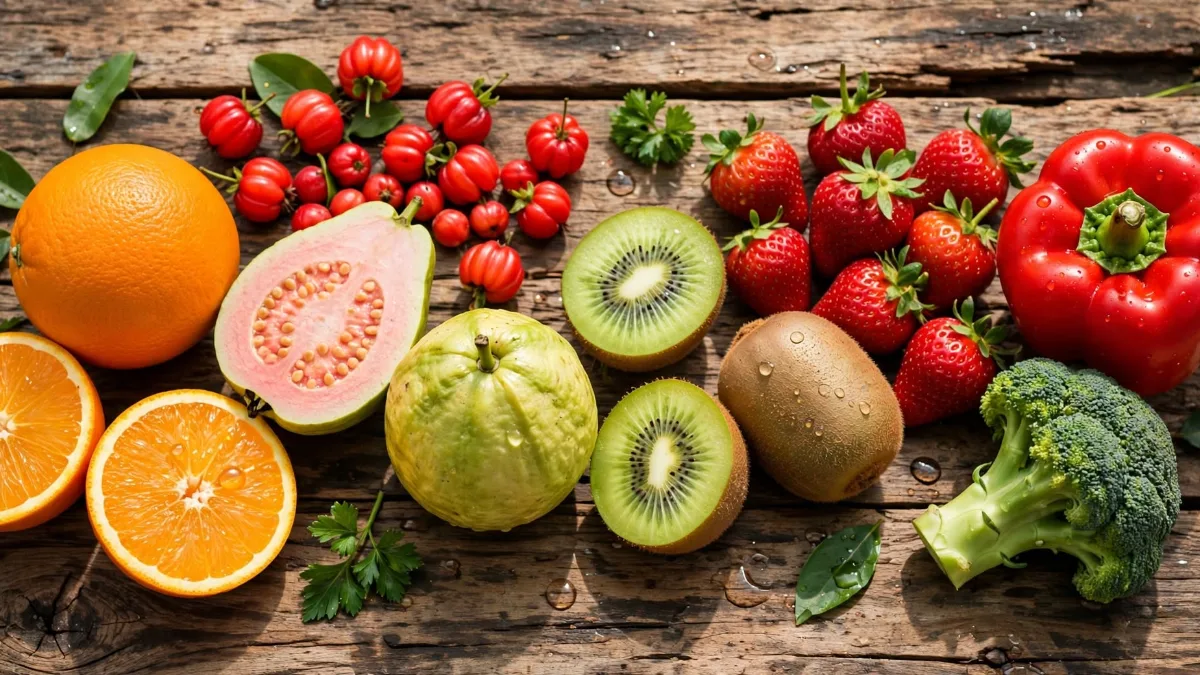
A colorful spectrum of raw berries, citrus fruits, and dark leafy vegetables provides the highest dietary density of natural ascorbic acid. Photo: Unsplash / Metaboliza.
Since childhood, most of us have been taught that sipping a glass of orange juice is the ultimate nutritional shield against seasonal colds. While oranges are undoubtedly wholesome—supplying roughly 53 mg of vitamin C per 100 grams—they sit surprisingly far down on nature's leaderboard.
Humans are among the few mammalian species that lost the ability to synthesize ascorbic acid endogenously due to an evolutionary mutation in the GULO gene. Consequently, we rely 100% on our daily diet to sustain optimal plasma concentrations.
Once you understand which whole foods offer peak concentrations, hitting your daily biological target becomes effortless, eliminating the need for synthetic fizzy supplements laden with artificial dyes and sweeteners.
These six accessible whole foods deliver extraordinary amounts of natural vitamin C per 100-gram serving, effortlessly outperforming the classic orange:
• 1. Acerola Cherry (The Absolute Champion): Delivering an astonishing 1,600 to 1,800 mg of vitamin C per 100 grams, acerola boasts roughly thirty times the concentration of an orange. Just three to four small berries satisfy an adult's daily requirement with ease.
• 2. Red Guava: Extremely nutrient-dense, guava provides approximately 228 mg of vitamin C per 100 grams (over four times that of an orange), alongside high amounts of cardioprotective lycopene and soluble fiber.
• 3. Yellow and Red Bell Peppers: Raw sweet bell peppers pack around 180 mg of vitamin C per 100 grams—more than triple the amount found in citrus fruits. Slicing raw bell peppers into salads offers a refreshing, crunchy nutrient boost.
• 4. Kiwifruit: A single medium kiwifruit supplies about 90 mg of vitamin C (nearly double an orange), paired with digestive enzymes like actinidin that enhance protein breakdown.
• 5. Raw Broccoli and Kale: Dark leafy greens and cruciferous vegetables are potent ascorbic acid factories. Raw broccoli delivers approximately 89 mg per 100 grams, while chopped raw kale reaches 120 mg, combining vitamin C with bioavailable calcium and magnesium.
• 6. Fresh Strawberries: One cup of strawberries yields around 60 to 70 mg of vitamin C with minimal calories and a low glycemic load, making them ideal for blood sugar management.
Rotating these foods throughout your week ensures you receive a comprehensive spectrum of natural bioflavonoids that work synergistically with ascorbic acid inside cellular pathways.
Ascorbic acid performs biological duties that extend far beyond seasonal defense against the common cold. Clinical medicine documents three foundational roles essential for vitality and longevity:
• Natural Collagen Biosynthesis: The enzymes responsible for cross-linking collagen fibers require vitamin C as an electron donor. Without adequate levels, the body cannot hydroxylate proline and lysine residues, resulting in compromised skin firmness, fragile capillaries, and impaired wound healing.
• Enhancement of Non-Heme Iron Absorption: Plant-based iron found in lentils, beans, and spinach is notoriously difficult for the gastrointestinal tract to absorb. Vitamin C chemically reduces ferric iron (Fe3+) into ferrous iron (Fe2+), tripling cellular absorption rates and preventing chronic fatigue.
• Immune Cell Function and Antioxidant Protection: Clinical reviews in the journal Nutrients show that vitamin C accumulates in phagocytes (white blood cells) at concentrations up to fifty times higher than in blood plasma, empowering neutrophils to neutralize pathogens and protecting tissues from oxidative damage.
Furthermore, vitamin C regenerates oxidized vitamin E back into its active antioxidant form, protecting cellular membranes and mitochondria from free-radical decay.
Vitamin C is one of the most fragile molecules in human nutrition: it degrades rapidly when exposed to prolonged heat, air, and ultraviolet light. Follow these practical kitchen guidelines to maximize retention:
• Drink Fresh Juices Immediately: Preparing fresh citrus or acerola juice and leaving it in the refrigerator exposes ascorbic acid to oxygen, leading to oxidation. Consume freshly squeezed juices within 15 minutes.
• Gentle Steaming Over Boiling: When cooking broccoli or greens, avoid boiling them in large pots of water, as water-soluble vitamin C leaches into the cooking liquid. Opt for light steaming for 3 to 4 minutes to preserve vibrant color and crispness.
• Use Lemon as a Functional Dressing: Squeezing fresh lemon juice over warm legumes, lentils, or salads adds brightness and immediately activates plant-based iron absorption during digestion.
• Store Fresh Produce in Chilled Drawers: Keep fresh berries and leafy greens in the crisper drawer of your refrigerator and avoid slicing them until you are ready to eat.
With simple, mindful food prep habits, you will capture nearly 100% of the active ascorbic acid present in whole foods.
Are 1,000 mg effervescent supplements superior to whole food sources? Not for everyday wellness in healthy individuals. The human intestine utilizes sodium-dependent vitamin C transporters (SVCT-1) that saturate quickly. When ingesting a single 1,000 mg tablet, absorption drops below 50%, with the remainder excreted in urine. Modest 100 to 200 mg doses from whole foods achieve near 90% absorption alongside natural protective bioflavonoids.
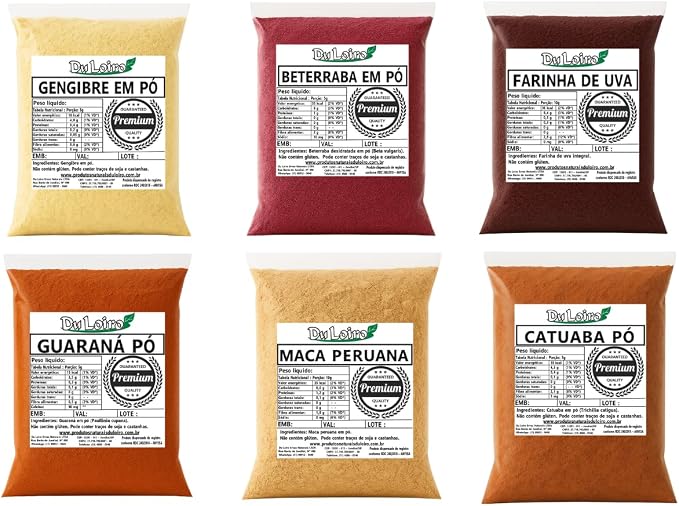
Catuaba em Pó 100g - Maca Peruana em Pó 100g - Gengibre em Pó 100g - Guaraná em Pó 100g - Beterraba em Pó 100g - Farinha de Uva 100g
Aviso de Saúde
O conteúdo deste artigo é puramente informativo e educacional, baseado em pesquisas publicadas. Ele não substitui o aconselhamento, diagnóstico ou tratamento médico profissional. Consulte sempre um médico ou nutricionista antes de realizar mudanças na sua dieta, treino ou suplementação.
Criador do Metaboliza, focado em simplificar a ciência da nutrição, metabolismo e biohacking para uma vida de alta performance.
Participe da discussão com a comunidade do Metaboliza