
Módulos & Calculadoras[01]
Calculadora de IMC
Calculadora de TMB & GET
Calculadora de Macronutrientes
Calculadora de Hidratação
Discover what science really says about this amino acid and how it acts on gut health and immunity.
Editor e Criador do Metaboliza

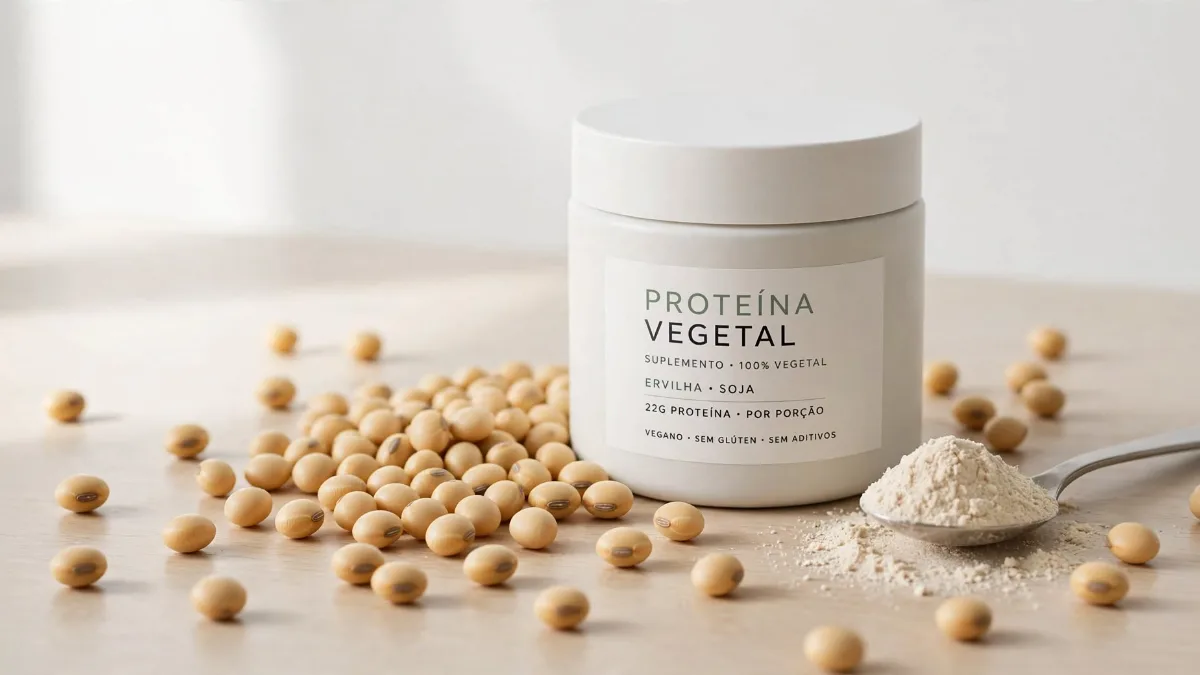
Jar of glutamine powder supplement on a modern kitchen countertop with natural lighting.
If you have ever glanced at the supplement shelf in a health food store or gym, you have probably run into glutamine powder. But after all, what is this substance that generates so much curiosity? To break it down simply: glutamine is the most abundant free amino acid in the human body, accounting for about 60% of all amino acids present in muscle tissue.
Technically speaking, it is classified as a 'non-essential' amino acid. This means that our own body — more specifically the muscles, lungs, and liver — can produce it from other compounds. However, in certain situations of intense physical stress, infections, surgeries, or strenuous workouts, the body's demand for glutamine skyrockets. In these scenarios, internal production may not keep up, making it what science calls 'conditionally essential.'
On a daily basis, glutamine acts as a true metabolic wildcard. It actively participates in nitrogen transport between organs, helps regulate the body's acid-base balance, and serves as a primary energy source for rapidly dividing cells, such as immune system defense cells and enterocytes (the cells that line our intestine).
Glutamine acts as a primary energy source for rapidly dividing cells like enterocytes and immune cells.
When thinking about the benefits of glutamine, it is necessary to separate solid scientific evidence from pure gym counter marketing. For a long time, the idea was sold that isolated supplementation would be the magic key to rapid muscle hypertrophy. However, comprehensive scientific reviews, such as those published on the National Library of Medicine (NCBI) portal, show that the story is a bit different.
For the general public and physical activity practitioners, glutamine's main role is not to directly inflate biceps, but rather to ensure that the organism functions without depleting its reserves during chronic stress or heavy workouts. When the body is under high physical demand, plasma glutamine levels can drop, which directly affects the efficiency of defense cells.
Additionally, research points out that supplementation may indirectly aid post-workout recovery, reducing the sensation of extreme fatigue and helping with glycogen resynthesis. But remember: no supplement works miracles on its own. Gaining muscle mass depends on an adequate caloric surplus, intelligent protein intake, and a good resistance training program.
If there is one area where glutamine shines with consistent scientific backing, it is the gastrointestinal tract. According to studies focused on intestinal functions published in the International Journal of Molecular Sciences, glutamine is simply the 'favorite fuel' for the cells lining the intestinal wall, known as enterocytes.
Think of your gut not just as a digestive tube, but as an extremely sophisticated security barrier. It needs to let food nutrients in, while keeping out toxins, unwanted bacteria, and inflammatory substances. When this barrier suffers damage due to stress, poor diet, or inflammation, the integrity of the mucosa can be compromised.
This is where glutamine comes in as a support tool. By providing rapid energy to enterocytes, it helps maintain the structure and cohesion of the intestinal mucosa. And why does this matter so much for immunity? Well, about 70% of our immune system resides precisely in the gut. Taking care of the intestinal wall's health is, by extension, giving a huge boost to the body's natural defenses.
One of the most common questions in nutrition offices is how to take glutamine efficiently. The most common format on the market is glutamine powder, which tends to be a white, neutral powder that easily dissolves in water, juices, or protein shakes.
According to clinical data and general supplementation guidelines, the standard recommended dosage for adults typically ranges between 5g and 20g per day. In protocols aimed at restoring intestinal barrier support or aiding elite athletes under heavy loads, doses are frequently split throughout the day to improve absorption and prevent gastric discomfort.
As for the best timing, it depends on your main goal. If the focus is gut health, many professionals suggest consuming it on an empty stomach or before bed, times when the digestive tract is in relative rest. If the focus is post-workout immune support, it can be mixed into a shake right after physical activity. In any case, guidance from a nutritionist is essential to adjust the right amount for your metabolism.
Glutamine is considered a very safe supplement for the overwhelming majority of healthy adults when consumed in usual doses. However, safety is paramount, and there are groups that require heightened attention before opening a tub of the supplement.
People with severe kidney or liver problems require rigorous medical evaluation and clearance. Since amino acid metabolism and excretion involve the liver and kidneys, overloading these organs without supervision can be dangerous. The same goes for patients with a history of specific neurological disorders or free amino acid sensitivity.
It is worth highlighting a fundamental point: avoid falling into the trap of thinking supplementation is a miraculous cure for severe intestinal diseases (such as Crohn's disease in acute flare-ups or ulcerative colitis without medical supervision). The supplement is an adjunct to nutritional support, never a substitute for specialized clinical treatments.
With so many myths circulating on the internet, it is time to set the record straight and clarify what is true and what is pure rumor in the world of supplementation.
One of the biggest concerns for those wanting to start using the supplement is: does glutamine cause weight gain? The direct answer is no. Chemically speaking, each gram of amino acid provides about 4 kcal — an absolutely insignificant amount to generate body fat gain, especially at usual daily doses of 5g to 10g (which total about 20 to 40 calories).
Another frequent myth is thinking glutamine is destroyed by the stomach before having any effect on the body. Although the intestine uses a large portion of it for its own metabolism, the fraction that passes into the bloodstream plays important systemic roles. However, managing expectations is the secret: it will not transform your body on its own, but it can be a fantastic ally in your wellness and gut health routine.
**Does glutamine supplementation cause weight gain?** No. Glutamine provides only about 4 calories per gram, making standard daily doses (5g to 10g) totally insignificant for causing body fat gain.
**What is the best time to take glutamine?** It depends on your goal. For gut health, it is often recommended on an empty stomach or before bed. For post-workout recovery, it can be taken right after exercise.
Aviso de Saúde
O conteúdo deste artigo é puramente informativo e educacional, baseado em pesquisas publicadas. Ele não substitui o aconselhamento, diagnóstico ou tratamento médico profissional. Consulte sempre um médico ou nutricionista antes de realizar mudanças na sua dieta, treino ou suplementação.
Criador do Metaboliza, focado em simplificar a ciência da nutrição, metabolismo e biohacking para uma vida de alta performance.
Participe da discussão com a comunidade do Metaboliza