
Módulos & Calculadoras[01]
Calculadora de IMC
Calculadora de TMB & GET
Calculadora de Macronutrientes
Calculadora de Hidratação
A flavorful journey through the science of nutrient density to transform your plate and optimize your energy.
Editor e Criador do Metaboliza
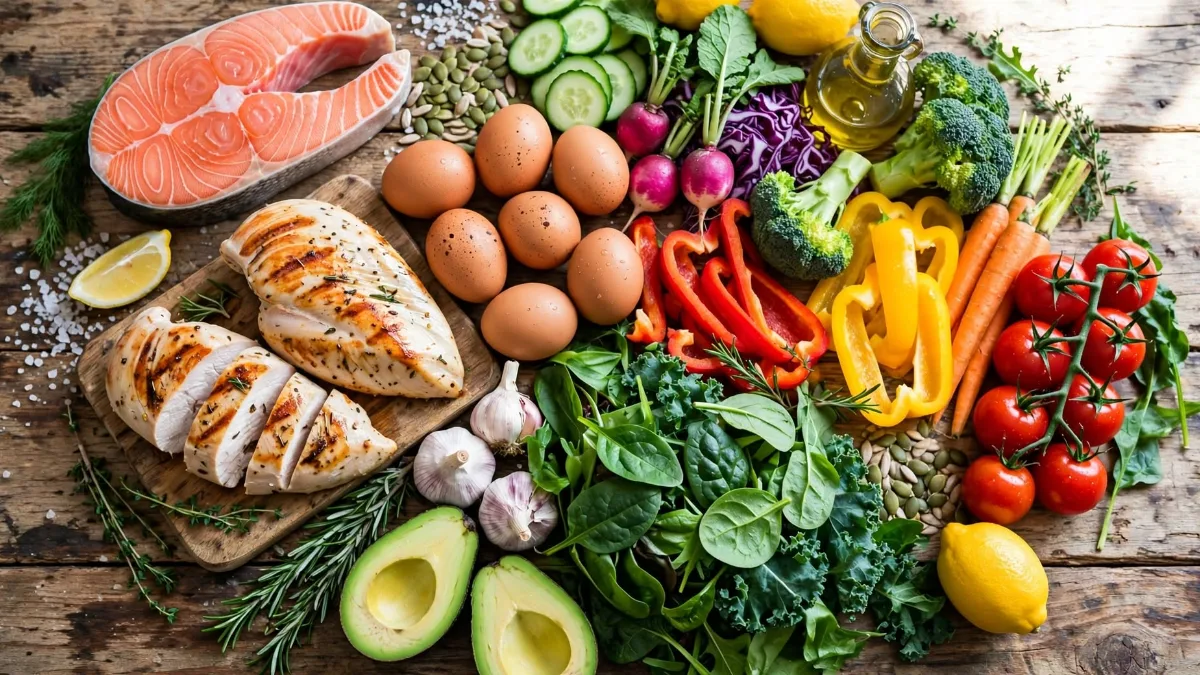
A colorful selection of fresh foods, vegetables, and high-quality proteins arranged on a rustic wooden table.
When we hear about eating well, the first thing that comes to many people's minds is calorie counting. However, the world of nutrition goes far beyond adding and subtracting numbers on the scale. This is where the concept of nutrient density comes in: the exact measure of how many beneficial nutrients—such as vitamins, minerals, fiber, protein, and healthy fats—a food provides relative to its calorie content.
Current scientific consensus, supported by prestigious institutions such as the Harvard T.H. Chan School of Public Health and the Mayo Clinic, points out that prioritizing foods with high nutrient density is the safest path to optimize metabolism, strengthen immunity, and prevent chronic diseases. While ultra-processed foods deliver many empty calories and few nutrients, true health champions deliver a veritable toolkit of biological tools for your body to run smoothly.
It is worth remembering that science rejects the idea of miraculous 'superfoods' that solve all problems on their own. The secret lies in the synergy of a varied and balanced dietary pattern. Foods rich in protein and fiber, for example, have a higher thermic effect, requiring more energy from the body to be digested, which gives that extra boost to metabolic regulation.
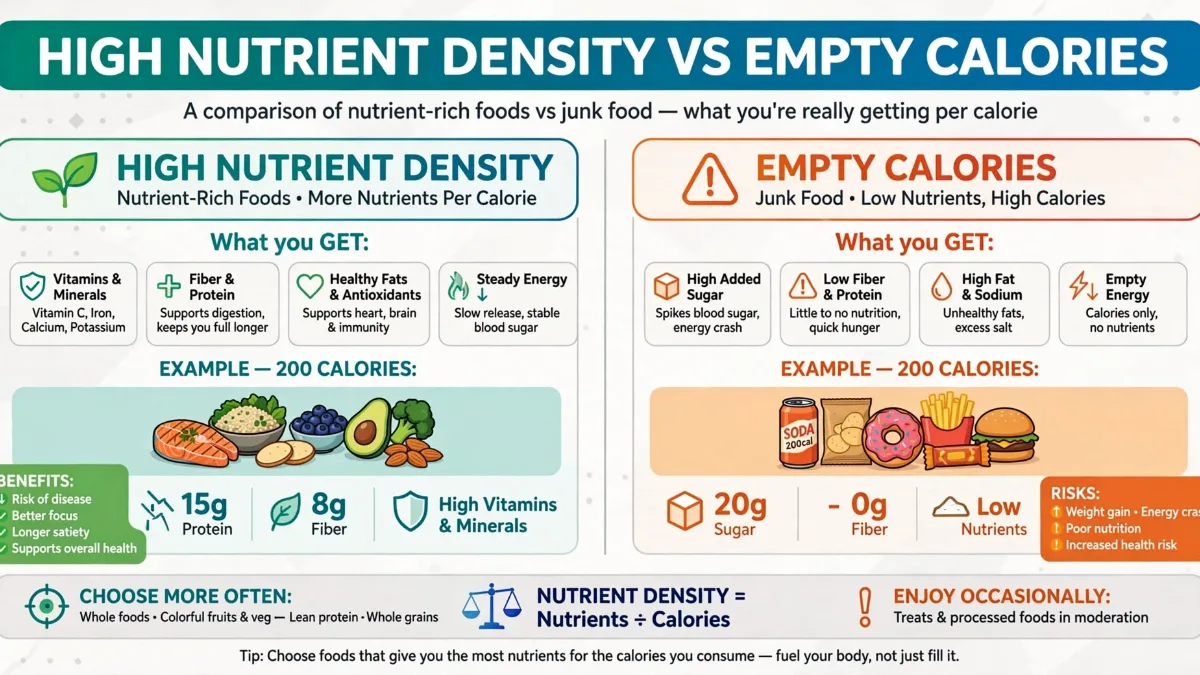
Conceptual infographic illustrating the concept of high nutrient density versus empty calories.
If the egg were a product launched in the tech market, it would be considered the invention of the century. Considered by many experts to be one of the most complete foods for health, the egg carries almost all the nutrients needed to transform a single cell into a complete animal. And the best part: all this for a very low amount of calories.
The yolk, unfairly feared in the past because of cholesterol, is actually the food's goldmine. It houses essential fat-soluble vitamins, choline (crucial for brain and liver health), and powerful antioxidants like lutein and zeaxanthin, which protect vision. The white, in turn, delivers a protein of the highest biological quality, with all the essential amino acids that the body cannot produce.
Including eggs at breakfast or in quick snacks is one of the most efficient ways to ensure prolonged satiety throughout the day, helping to control appetite and keeping the metabolism active.
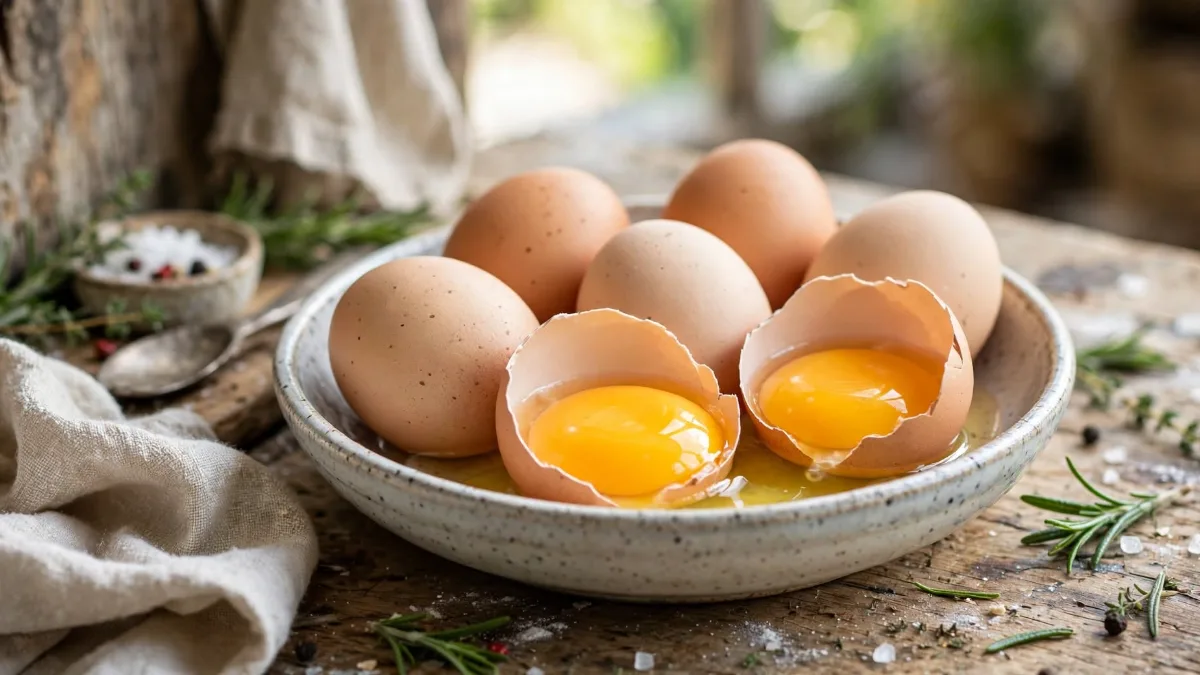
Fresh eggs with vibrant yolks arranged in a ceramic bowl.
When we talk about the healthiest foods in the world, fatty fish take a place of absolute prominence. Salmon, in particular, is a true star when it comes to cardiovascular and brain health. It is one of the best natural sources of omega-3 fatty acids, a type of fat considered essential because our bodies cannot produce it on their own.
The omega-3 present in salmon acts in the body by reducing inflammatory processes, helping to maintain blood pressure, and supporting cognitive function. In addition, the fish delivers a generous dose of lean protein and B-complex vitamins, which are fundamental for converting food into energy.
Health organizations recommend the regular consumption of fish rich in healthy fats as part of a balanced diet. For those looking for variety, other options such as sardines and tuna also offer excellent nutritional profiles.
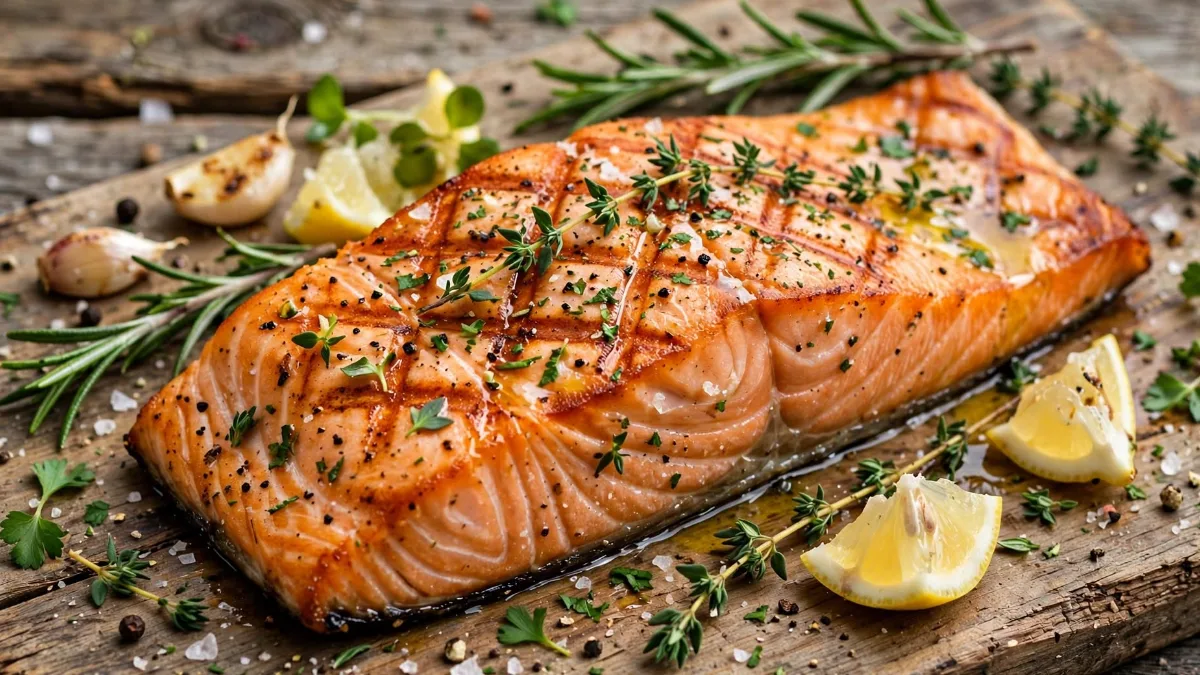
Fresh grilled salmon fillet with fine herbs.
If there is one food group that shines brightly on nutrient density charts, it is dark leafy greens. Kale, spinach, and watercress consistently rank at the top of micronutrient-per-calorie studies. To give you an idea, watercress has achieved top scores in renowned research from American universities regarding the supply of essential nutrients.
Kale, so prominent in Brazilian cuisine, is a true arsenal of vitamins A, C, and K, as well as minerals such as calcium, iron, and potassium. It also provides fiber that feeds the gut microbiota, promoting healthy digestion and helping to regulate blood sugar levels.
Regular consumption of these vegetables helps combat oxidative stress in cells, thanks to bioactive compounds and antioxidants that act as true protective shields in the body.
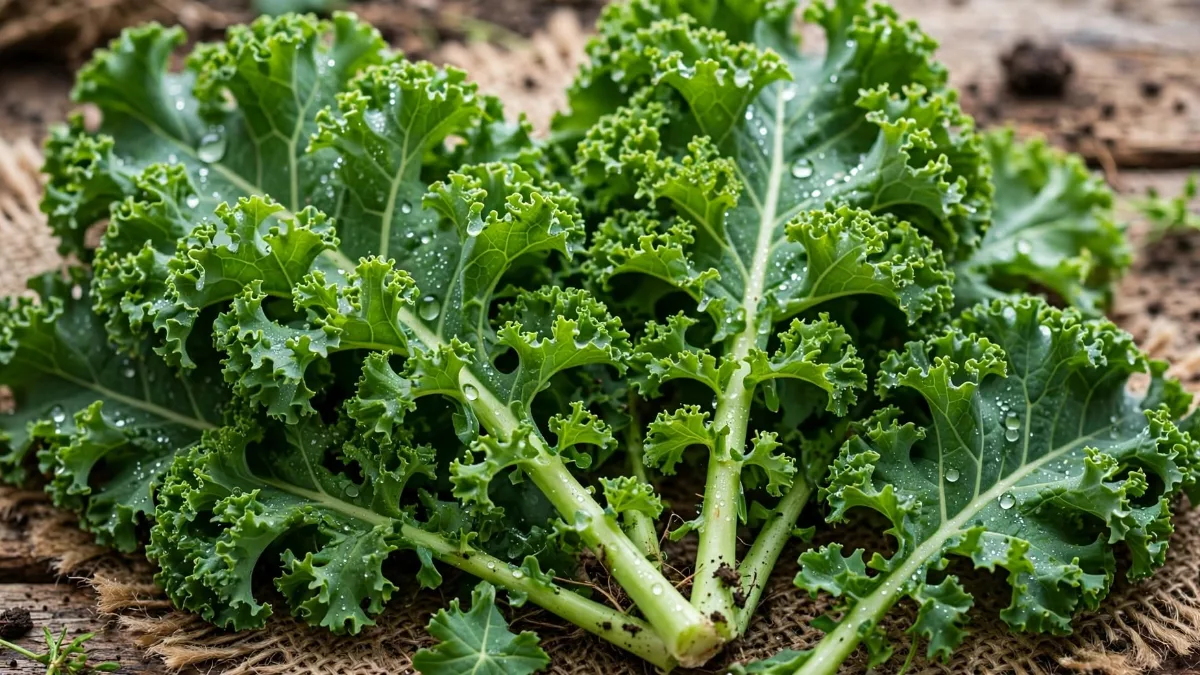
Fresh and crunchy kale leaves freshly harvested.
Small in size, giant in benefits. Blueberries have earned the title of one of the most antioxidant-rich foods on the planet. Their striking deep blue color is not just pretty to look at; it is the visual signal of the presence of anthocyanins, compounds from the flavonoid family with potent protective action.
These antioxidants help neutralize free radicals—unstable molecules that can damage cells over time. Additionally, studies suggest that frequent consumption of berries is associated with improved brain function, memory support, and heart health protection.
Including blueberries or other berries in yogurt, oatmeal, or consuming them fresh is a delicious and practical way to add high-quality nutrients to your routine without complications.
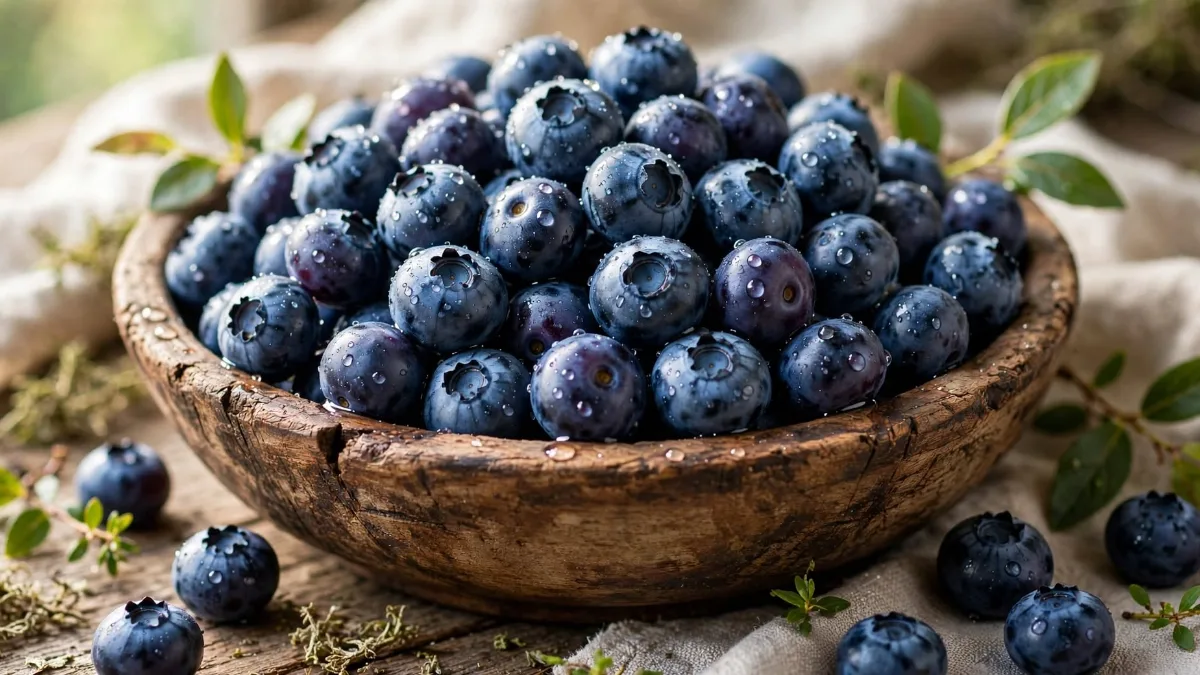
A rustic bowl full of fresh and shiny blueberries.
Used for thousands of years in both cooking and traditional medicine, garlic is much more than a simple flavor enhancer. It harbors bioactive sulfur compounds, with allicin being its main highlight. When garlic is minced or crushed, allicin is activated, giving the food impressive antimicrobial and anti-inflammatory properties.
Regular garlic consumption has been linked to supporting the immune system, helping the body defend against common infections. Furthermore, research indicates that it can help regulate blood pressure and maintain healthy cholesterol levels.
Golden rule in the kitchen: to make the most of allicin's benefits, crush or mince the garlic and let it rest for about 10 minutes before cooking. This simple interval allows the enzymatic reaction to happen to its fullest.
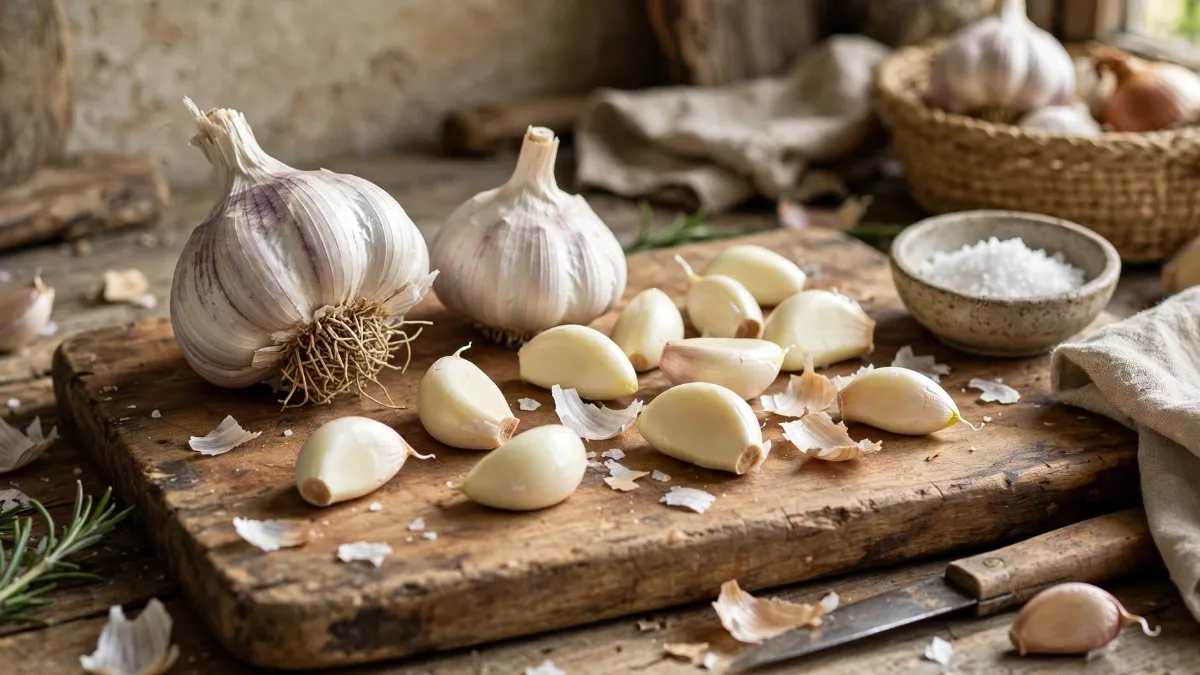
Fresh heads of garlic and peeled cloves on a cutting board.
Knowing which are the most nutritious foods in the world is only the first step; the real challenge (and the most fun part) is turning them into practical meals for your daily life. The good news is that none of them require advanced culinary skills or hard-to-find ingredients at the corner market.
Imagine starting your day with an omelet stuffed with finely chopped kale sautéed in garlic. For an afternoon snack, a handful of blueberries accompanied by natural yogurt. And for lunch or dinner, a nice grilled salmon fillet garnished with assorted vegetables. See that? Small intelligent substitutions completely change the nutritional profile of your day.
Always remember that consistency beats perfection. You don't need to eat all of these foods at every meal, but building a dietary pattern where they appear frequently is the key to long-term success.
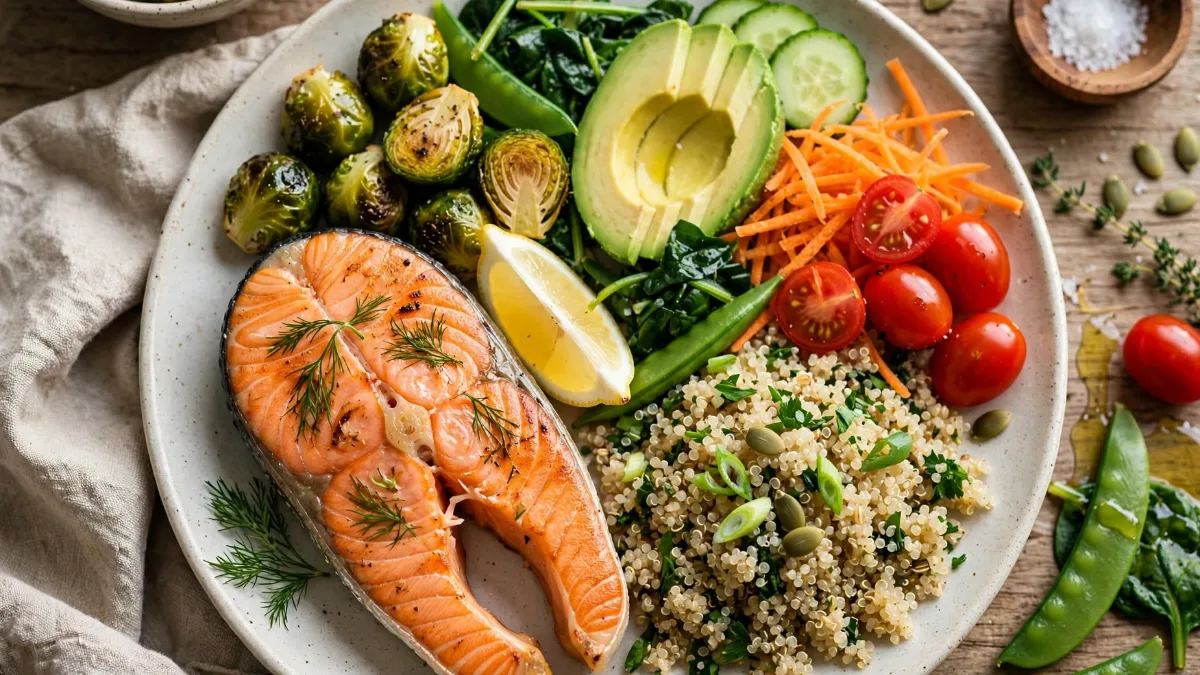
Balanced and colorful plate demonstrating a complete healthy meal.
We have reached the end of our journey through the foods richest in essential nutrients, but it is worth reinforcing a crucial point: no food, no matter how incredible, works miracles on its own. Health is the reflection of a set of habits that includes good nights of sleep, proper hydration, stress management, and, of course, a colorful and varied plate.
Avoid falling into the trap of extremely restrictive diets focused on half a dozen ingredients. The human body needs variety to function at its best. Each vegetable, each protein, and each good fat brings a unique piece to the puzzle of your metabolism.
If you enjoyed this content, continue exploring the Metaboliza portal to discover more practical, science-based tips to take care of your health in a light, uncomplicated, and human way.
:background_color(white)/hotmart/product_pictures/199a3aa5-89b6-49e9-ad7a-ef99c3d4e17f/Designsemnome.jpg?w=920)
Embarque em uma jornada de emagrecimento saudável com nosso eBook repleto de 50 receitas projetadas especificamente para ajudar você a secar enquanto segue uma Dieta Cetogênica. Das refeições do dia a dia a petiscos e sobremesas, cada receita é elaborada para manter você saciado, queimar gordura e alcançar seus objetivos de perda de peso. Com orientações detalhadas e dicas valiosas, este eBook é o seu companheiro essencial na busca por um corpo mais magro e saudável.
Aviso de Saúde
O conteúdo deste artigo é puramente informativo e educacional, baseado em pesquisas publicadas. Ele não substitui o aconselhamento, diagnóstico ou tratamento médico profissional. Consulte sempre um médico ou nutricionista antes de realizar mudanças na sua dieta, treino ou suplementação.
Criador do Metaboliza, focado em simplificar a ciência da nutrição, metabolismo e biohacking para uma vida de alta performance.
Participe da discussão com a comunidade do Metaboliza