

Módulos & Calculadoras[01]
Calculadora de IMC
Calculadora de TMB & GET
Calculadora de Macronutrientes
Calculadora de Hidratação
Discover what this essential nutrient does, how to spot warning signs in your body, and where to find it on your plate.
Criador do Metaboliza & Autor
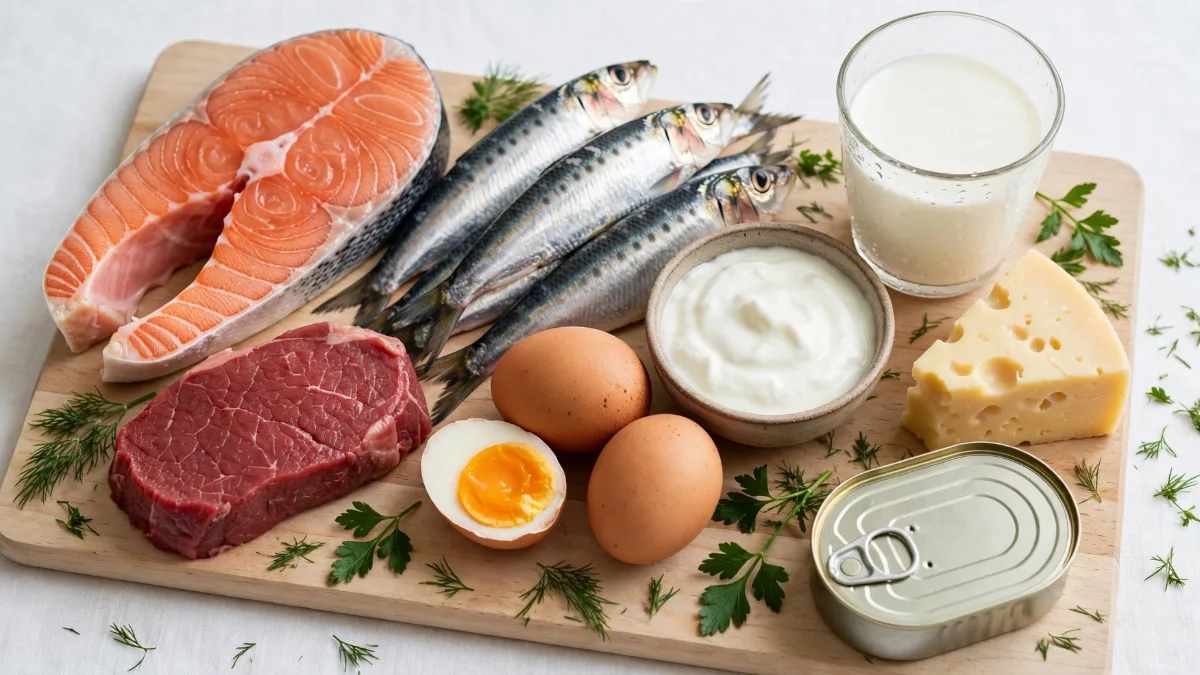
Fresh and nutritious foods that serve as a source of vitamin B12.
Vitamin B12, also chemically known as cobalamin, is a water-soluble micronutrient that our bodies cannot produce on their own. This means we rely entirely on our diet (or supplementation, when guided) to keep our stores in check. But don't be fooled by the size of the molecule: the work it does behind the scenes is monumental.
In simple terms, think of cobalamin as a key gear in the engine that keeps our metabolism running at full speed. It acts directly in converting the food we consume into usable energy, besides being indispensable for DNA synthesis and cellular multiplication. It is a true invisible fuel that ensures every cell in the body has the necessary support to operate efficiently.

Molecules and biological structures represented in an artistic and clean way.
When we talk about vitamin B12 and its functions, the main focus falls on two major systems of the human body: the nervous system and the circulatory system. Without it, our organism simply loses the ability to maintain the myelin sheath—a sort of protective cover that coats the nerves and ensures electrical impulses travel quickly from the brain to the rest of the body.
Besides neurological protection, cobalamin works hand in hand with folic acid (vitamin B9) to produce healthy red blood cells in the bone marrow. This is why the benefits of vitamin B12 range from maintaining a sharp mind and daily energy to preventing chronic fatigue conditions associated with anemia.

Person demonstrating focus and well-being during daily activities.
One of the major challenges of vitamin B12 deficiency is its stealthy nature. Symptoms tend to set in so slowly and gradually that many people blame daily stress, a hectic routine, or simply advancing age before suspecting a nutritional issue.
Among the most common signs reported by those with low stores of the nutrient are persistent fatigue, muscle weakness, tingling in the hands and feet (known as paresthesia), as well as memory lapses and difficulty concentrating. In more advanced cases, mood changes and balance difficulties may also appear.

Subtle illustration highlighting points of attention in the human body.
Vitamin B12 deficiency is not always linked solely to a diet poor in the nutrient. Although dietary restriction is a common cause—especially in strictly plant-based diets without proper planning—there are important biological barriers in how our body absorbs this vitamin.
According to data compiled by health institutions and clinical guidelines, B12 absorption is a complex process that depends on a healthy stomach and a substance called intrinsic factor. As we age, the incidence of gastric atrophy can increase, making it harder to release the vitamin from food. Furthermore, the continuous use of certain medications aimed at controlling reflux and stomach acid can interfere with this mechanism, as well as specific intestinal conditions.

Clinical and welcoming environment for routine consultations.
If you consume animal-derived products, you have a good chance of easily finding cobalamin in your daily menu. Because the vitamin is produced by microorganisms found in nature and ingested by animals, it accumulates in their meats and secretions.
Red meats, poultry, fish (such as salmon and tuna), eggs, and dairy (cheese and milk) lead the ranking of vitamin B12-rich foods. For those following a strict vegetarian or vegan diet, attention must be doubled, frequently resorting to fortified foods or supplementation guided by nutritionists and physicians.
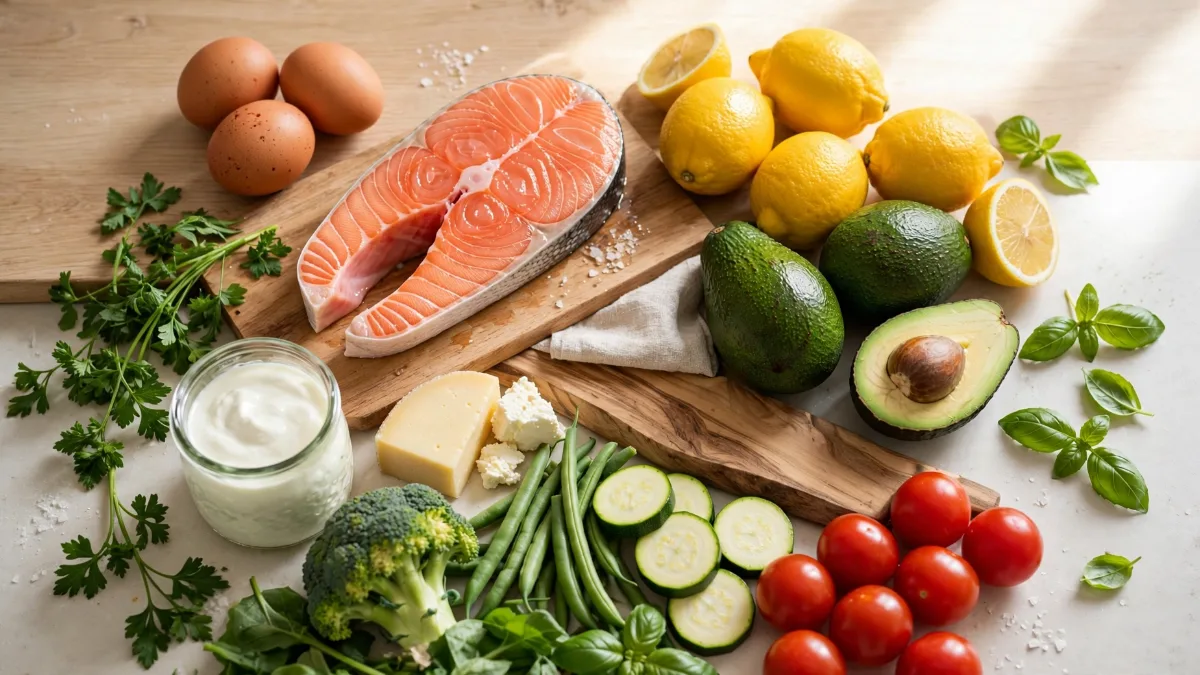
Fresh and colorful ingredients arranged on a kitchen counter.
Supplementation emerges as a fantastic tool—and often indispensable—to correct deficits or prevent them from happening. However, it is essential to understand that the type, frequency, and dosage of supplementation vary greatly from person to person.
The elderly, practitioners of strict vegetarian or vegan diets, individuals with a history of bariatric surgeries, or those using continuous medications that affect absorption are the most common profiles that benefit from external support. The good news is that, with proper professional guidance, levels can be safely normalized.

Vitamin supplement bottle in a clean and organized environment.
Since the symptoms of B12 deficiency can easily be confused with those of other conditions—such as anemias of different origins or peripheral neuropathies—self-medication is never the ideal path. Taking high doses without knowing your actual blood level can mask problems or delay the diagnosis of other important health issues.
If you have been feeling unexplained fatigue, recurring tingling, or belong to a risk group (such as long-term vegetarians or the elderly), the most sensible approach is to speak with a doctor or nutritionist. A simple blood test for serum vitamin B12—and in some cases complementary markers like homocysteine and methylmalonic acid—can clarify the scenario and guide the next steps with scientific precision.

Healthcare professional carefully analyzing laboratory tests.
Aviso de Saúde
O conteúdo deste artigo é puramente informativo e educacional, baseado em pesquisas publicadas. Ele não substitui o aconselhamento, diagnóstico ou tratamento médico profissional. Consulte sempre um médico ou nutricionista antes de realizar mudanças na sua dieta, treino ou suplementação.
Entusiasta de nutrição e biohacking, focado em simplificar a ciência da saúde.
Participe da discussão com a comunidade do Metaboliza