
Módulos & Calculadoras[01]
Calculadora de IMC
Calculadora de TMB & GET
Calculadora de Macronutrientes
Calculadora de Hidratação
Discover how this essential nutrient acts in your body, what science says about metabolism, and essential precautions regarding supplementation.
Editor e Criador do Metaboliza
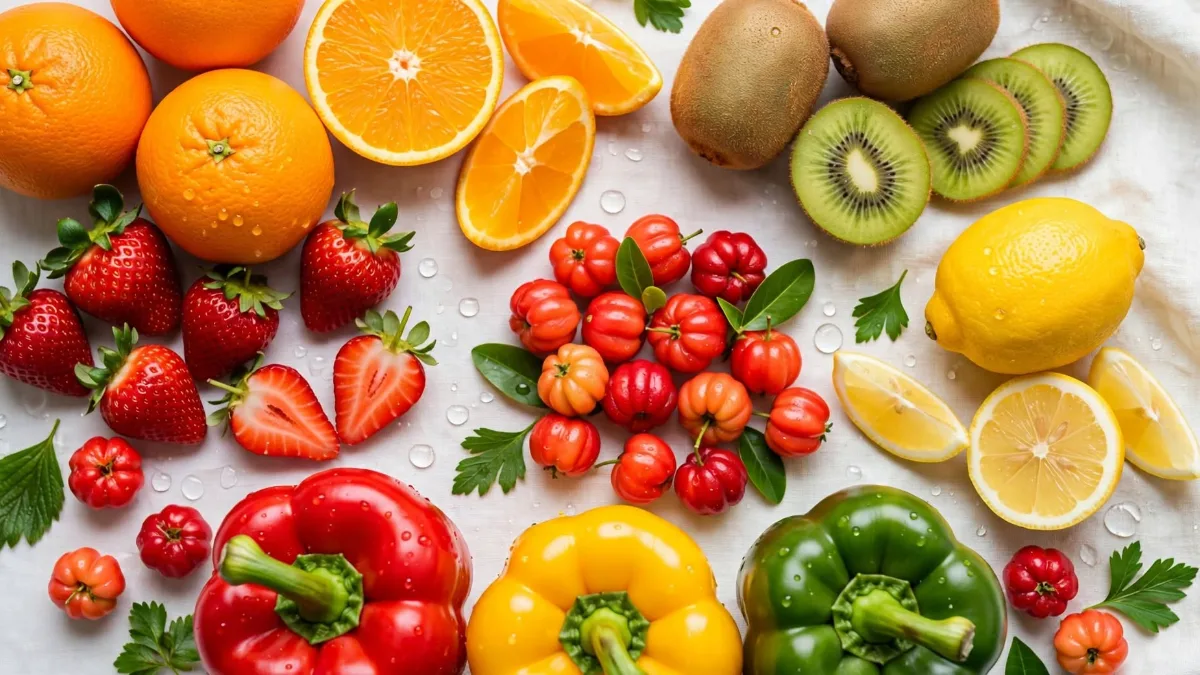
Fresh oranges and citrus fruits arranged on a rustic wooden countertop, illuminated by natural light.
Vitamin C, scientifically known as ascorbic acid, is an essential water-soluble micronutrient. This means two fundamental things: first, that it dissolves in water and our body cannot store it for long periods; second, that the human body is incapable of synthesizing it naturally.
Therefore, we depend entirely on our daily diet to supply this need. Data compiled by the Harvard T.H. Chan School of Public Health and the National Institutes of Health (NIH) indicate that the Recommended Dietary Allowance (RDA) is 90 mg for adult men and 75 mg for adult women.
But why is it so indispensable? The main mission of vitamin C is to act as a powerful antioxidant, fighting free radicals generated by daily oxidative stress. In addition, it is the master key in the synthesis of collagen — the structural protein that gives firmness to our skin, heals wounds, and maintains the integrity of blood vessels, tendons, and bones.
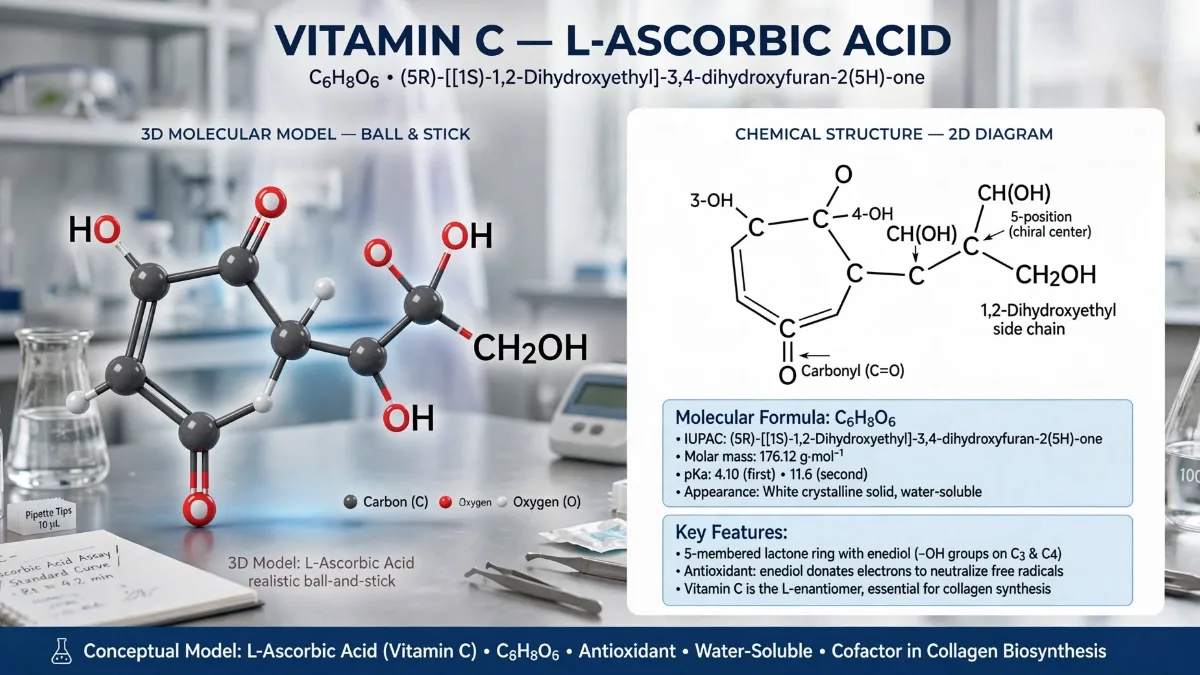
Conceptual model and visual representation of the chemical structure of vitamin C in a modern laboratory environment.
When we talk about metabolism, it is very common for myths to arise that certain nutrients work like a 'turbo' to burn fat quickly. In the case of vitamin C, scientific reality is a bit different, but equally fascinating. It acts directly on energy metabolism as an essential cofactor in the synthesis of L-carnitine, the molecule responsible for transporting fatty acids into the mitochondria, where they are transformed into energy.
However, a warning is in order: although it participates in these vital metabolic processes, research points out that vitamin C does not act as a miraculous thermogenic or direct metabolism booster for weight loss in healthy individuals who already follow a balanced diet.
On the immunity front, vitamin C is widely known to support defense cells, helping to maintain the epithelial barrier against pathogens. It is worth noting, however, that contrary to popular belief disseminated for decades, daily supplementation does not work as a magical shield capable of preventing or curing colds and flus in the general population — although it may slightly reduce the duration of symptoms in some cases.
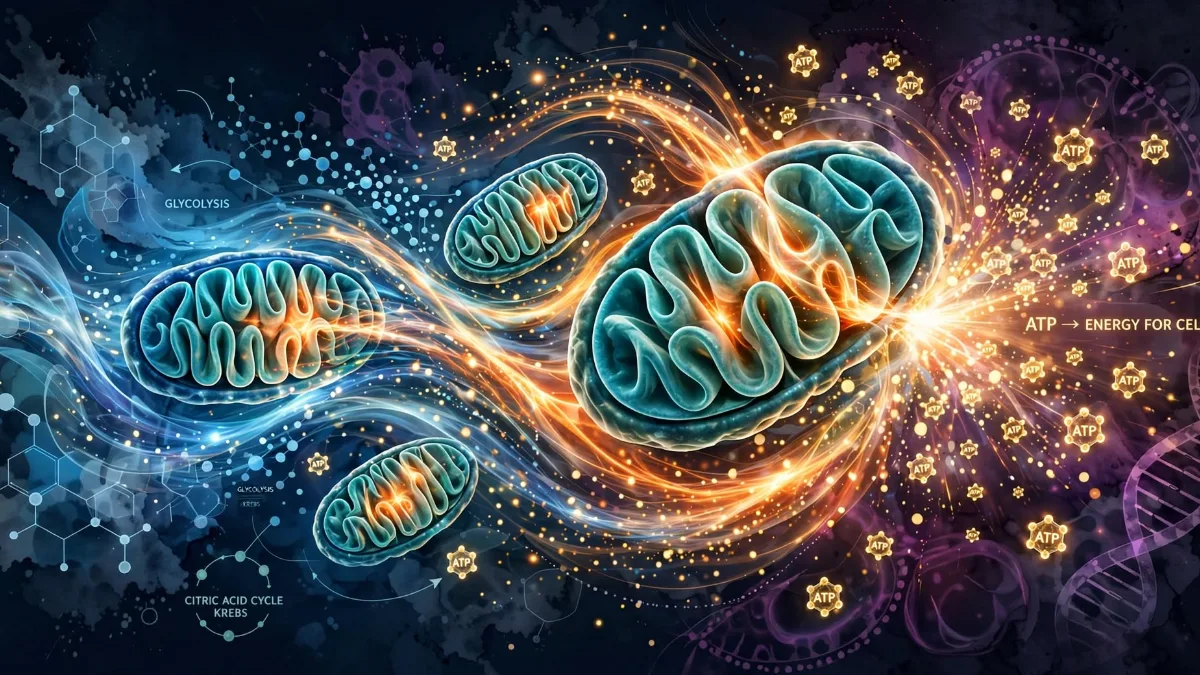
Artistic and dynamic representation of energy and vitality linked to cellular metabolism.
The best news about vitamin C is that you probably don't need miraculous formulas to get it. A diet rich in fresh fruits and vegetables is more than enough to reach the daily goals recommended by international health organizations.
Forget the idea that only oranges carry this title. It is true that citrus fruits are excellent options, but there are concentration champions that will surprise you in daily life. Acerola, guava, kiwi, and cashew fruit, for example, surpass oranges in terms of vitamin C content per gram.
Among vegetables, yellow and red bell peppers, broccoli, and raw kale are true nutritional treasures. The secret to getting the most out of these foods is to consume them raw or with as little cooking as possible, since excessive heat and prolonged contact with water can degrade a large part of the vitamin content.

Colorful and fresh plate filled with vegetables and citrus fruits in a bright kitchen.
Severe vitamin C deficiency causes scurvy, a historical disease that decimated sailors on long sea voyages. Although scurvy is extremely rare today, mild forms of hypovitaminosis can still occur in people with highly restrictive or unbalanced diets.
The first warning signs that your stores may be low tend to be subtle and easy to miss. Among the most common symptoms reported in medical literature are persistent fatigue, muscle weakness, irritability, and joint pain with no apparent cause.
Another classic indicator involves the health of the skin and connective tissues: frequent gum bleeding when brushing teeth, easy bruising with minor trauma, and wounds that take longer than normal to heal. If you identify these signs, the correct path is to seek medical or nutritional guidance to investigate the real cause.
If food alone does the job, why are pharmacy shelves full of vitamin C supplements? Supplementation in capsules, effervescent tablets, or drops becomes useful in specific situations, such as severe dietary restrictions, specific medical guidelines, or life stages with increased demands.
However, there is a major misconception in popular culture that 'more is better.' The human body has rigorous regulatory mechanisms: intestinal absorption of vitamin C is saturable. Clinical analyses show that in single doses superior to 1,000 mg (1 g), absorption plummets to less than 50%, and the unused excess is simply eliminated through urine.
Besides wasting money, overdoing doses brings real health risks. The Tolerable Upper Intake Level (UL) pointed out by Harvard is 2,000 mg per day. Exceeding this mark or maintaining massive doses chronically considerably increases the incidence of gastrointestinal disorders (such as diarrhea and cramps) and increases the conversion of the nutrient into oxalate by the liver, raising the risk of kidney stone formation.
The universe of nutrition is full of myths, and vitamin C is the protagonist of several of them. One of the most common questions in clinics is about the best time to consume it. After all, is there a right time? Science answers: the ideal is to ingest it with main meals. This not only minimizes eventual gastric discomforts arising from acidity, but also maximizes the absorption of non-heme iron (found in vegetables and beans) by the body.
Another frequent myth is the idea that effervescent vitamin C is absorbed in a miraculously superior or faster way than the traditional tablet version. In practice, the ascorbic acid is the same; effervescence merely dissolves the product beforehand, but does not alter your intestine's maximum absorption capacity.
Finally, it is worth reinforcing the most important warning of this article: this content is strictly informative and never replaces an individualized consultation with a doctor or nutritionist. Each organism reacts uniquely, and only a qualified professional can evaluate the real need for adjustments in your routine.

Ácido ascórbico, antiumectante: Fostato tricálcico, e cápsulas gelatinosas."NÃO CONTÉM GLÚTEN"
Aviso de Saúde
O conteúdo deste artigo é puramente informativo e educacional, baseado em pesquisas publicadas. Ele não substitui o aconselhamento, diagnóstico ou tratamento médico profissional. Consulte sempre um médico ou nutricionista antes de realizar mudanças na sua dieta, treino ou suplementação.
Criador do Metaboliza, focado em simplificar a ciência da nutrição, metabolismo e biohacking para uma vida de alta performance.
Participe da discussão com a comunidade do Metaboliza